Wall Stains or Seepage
Describe the location and whether the pattern changes during rain. Wall moisture needs to be considered with exterior water conditions and possible entry points.

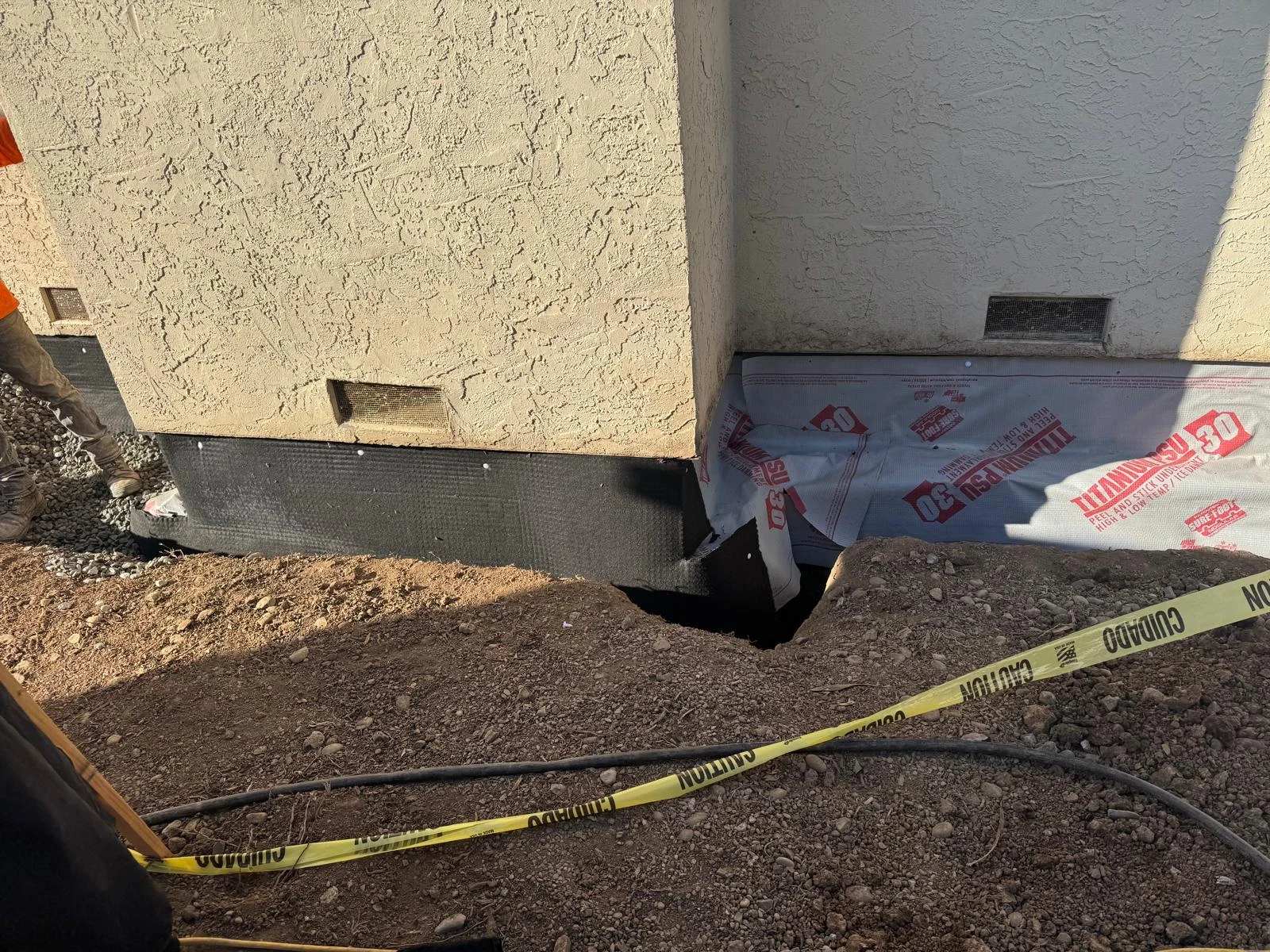
A wet basement deserves more than a surface patch. Discuss water entry, drainage and below-grade protection as part of a plan shaped around your property.
Rain-related seepage, water around a foundation and other moisture sources need different responses. Start with the source before choosing the treatment.
Basement moisture can appear at wall surfaces, floor edges, joints or other entry points. The pattern of water entry and the conditions outside the home are useful starting points for understanding what work may be appropriate.
Drainage & Moisture Control Inc. provides basement waterproofing and related drainage services across San Francisco and our Bay Area service locations. We discuss the affected areas, site access and collection or protection measures that may fit the property.
A proposed plan may involve drainage collection, sump pumping, moisture barriers or suitable treatment of identified entry points. Those options should be reviewed together with the condition of the building and the source of water.
These are useful details to share when discussing basement waterproofing. They do not confirm a cause or determine a treatment by themselves.
Describe the location and whether the pattern changes during rain. Wall moisture needs to be considered with exterior water conditions and possible entry points.
Water where a wall meets the floor may need collection and drainage review rather than a cosmetic covering.
A space that stays damp can involve more than one moisture source. Discuss the pattern, existing equipment and conditions beneath or around the home.
Tell us what work was completed and what happens now. The remaining issue may relate to drainage, entry points or another part of the system.
The estimate should explain which areas will be addressed, how the proposed components relate and what work is included.
Review grading, runoff and water near the foundation. Where appropriate, exterior drainage or below-ground collection can form part of the plan.
Discuss the affected surfaces and identified entry points. Suitable barriers or surface treatments should be reviewed for the actual conditions.
A collection route or sump system may move water that reaches below-grade areas. The basin, discharge line and access need to work together.
Structural concerns, plumbing leaks and other defects can require separate assessment and work. The proposed waterproofing scope should be clear about what it addresses.
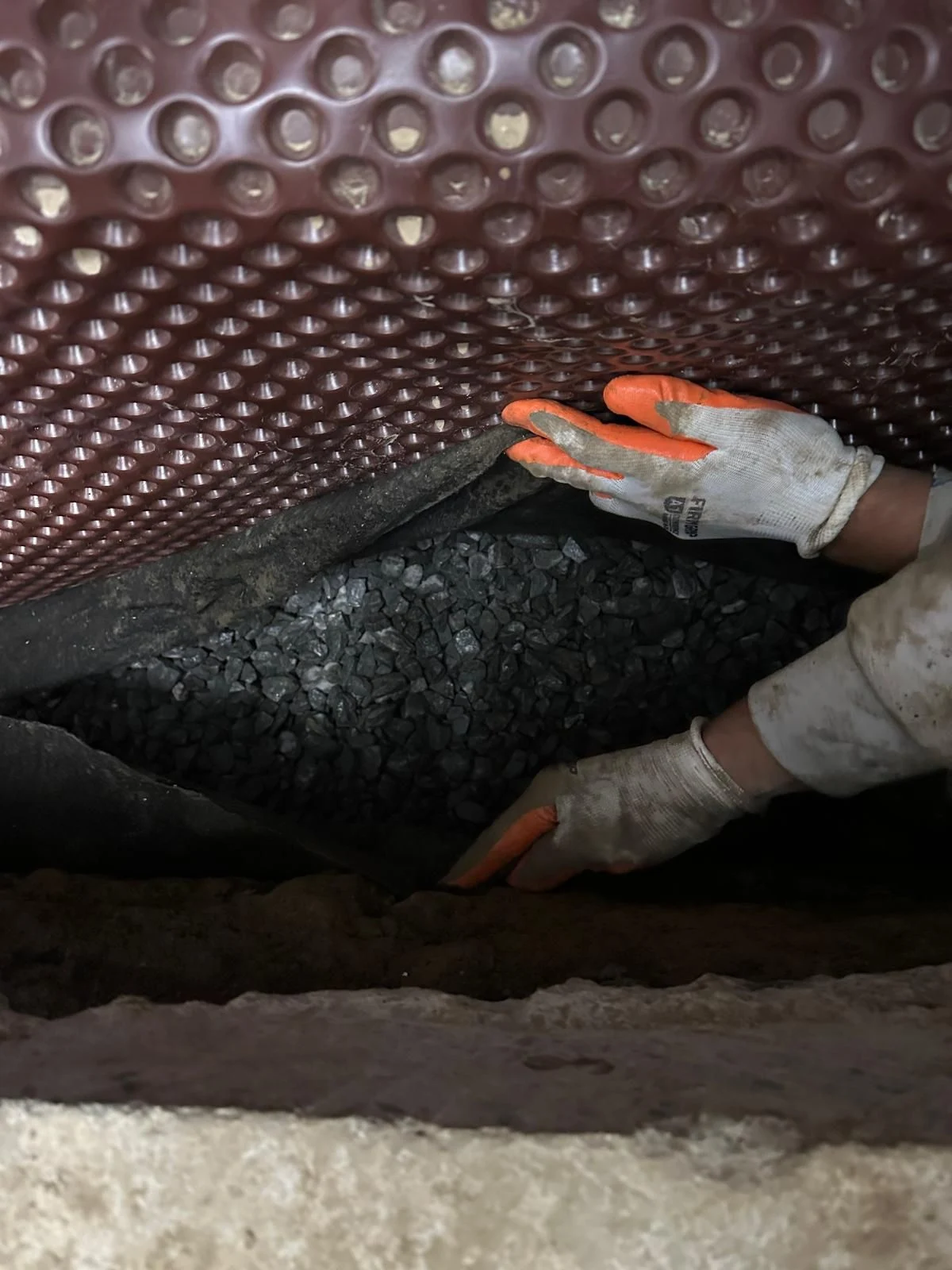
Collection, piping and pumping may play a role when water reaches areas below the home. The right approach connects the visible concern with where the water collects and how it can be moved.
Review the relationship between waterproofing measures and the existing drainage system. A new component should fit the collection route, discharge needs and access conditions instead of working in isolation.
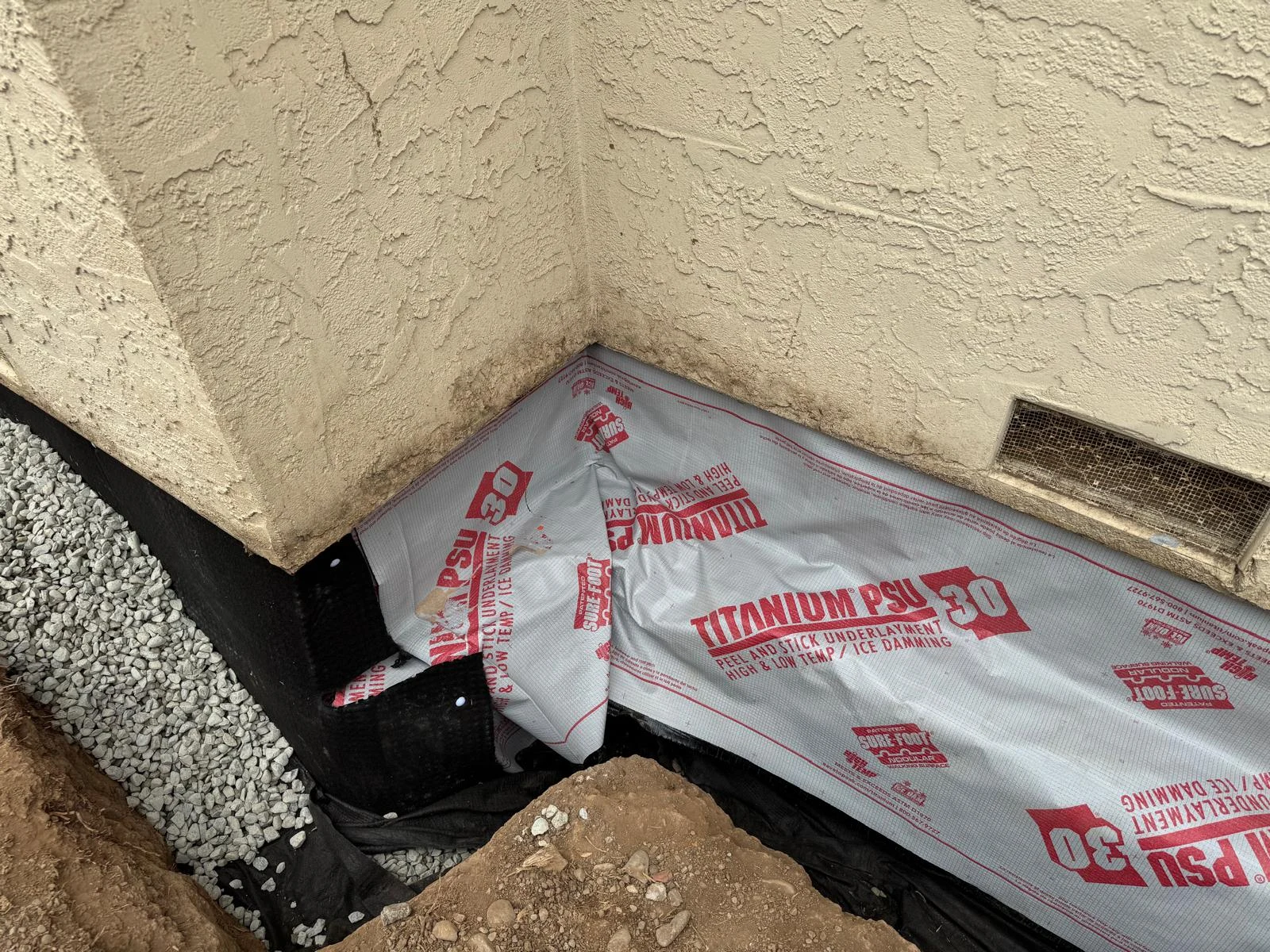
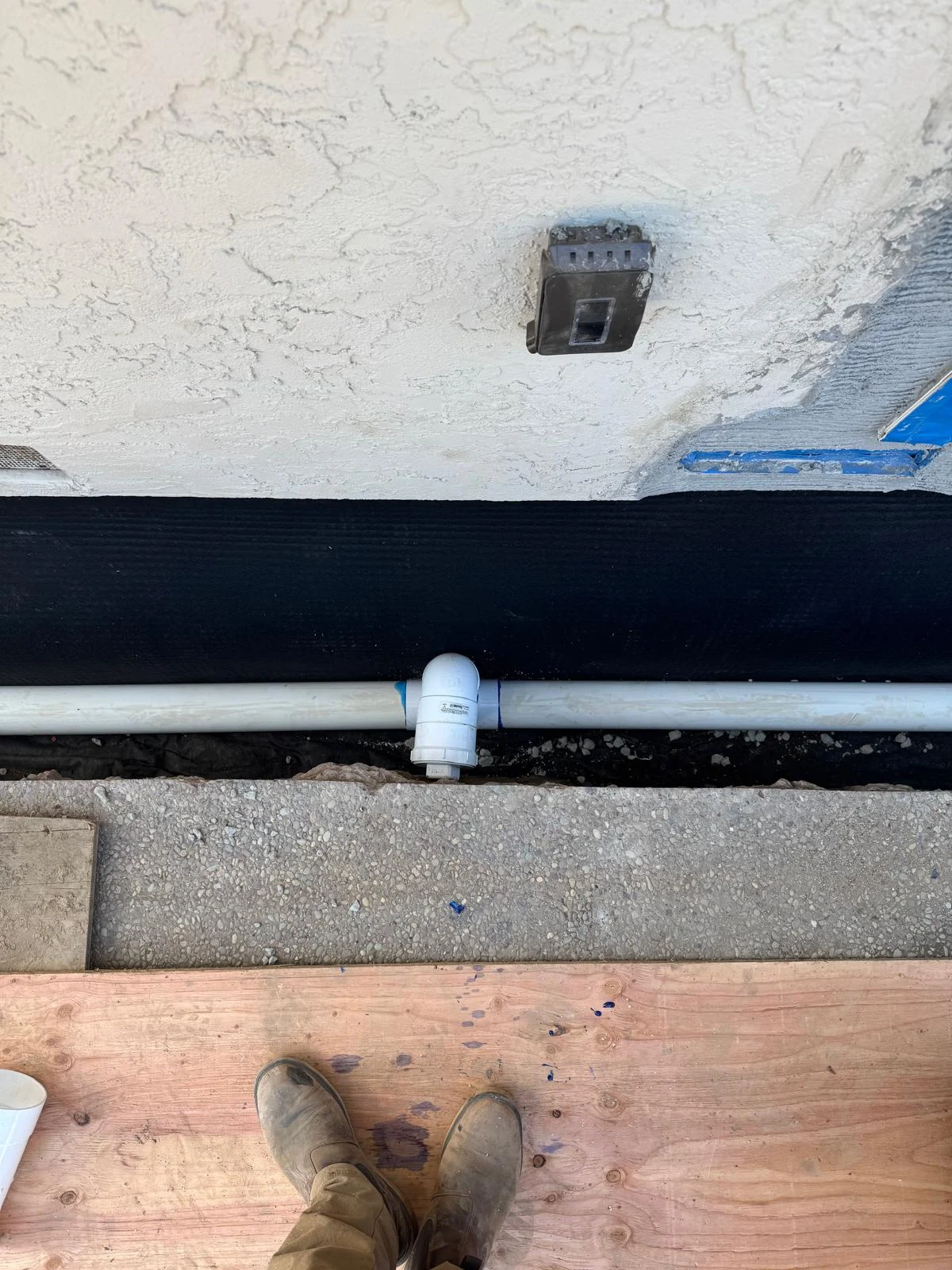
These original company photos show waterproofing materials, installation work and related drainage details. The images are presented individually rather than as an unverified before-and-after comparison.
Explore photos supplied by Drainage & Moisture Control Inc. showing foundation treatment, protective materials and related drain connections.
Discuss where moisture appears, its timing and any history of earlier work.
Consider affected surfaces, surrounding water routes, access and existing drainage.
Explain the proposed collection or protection measures and any separate work needed.
Install the agreed components and discuss operation, access and relevant upkeep.
Our established service locations include San Francisco, Marin County, San Mateo County, Berkeley, Sonoma County and Petaluma. Share your address to discuss availability and the conditions at your property.
Ask About Your LocationSan Rafael, Novato, Mill Valley, Tiburon, Corte Madera, Larkspur, Ross, Fairfax, San Anselmo, Greenbrae, Kentfield and nearby established service communities.
Explore Marin County services ↗San Mateo, South San Francisco, Daly City, Redwood City, Millbrae, Burlingame, Belmont, San Carlos, Colma, Brisbane, Portola Valley and Woodside.
Explore San Mateo County services ↗Berkeley Hills, Claremont, Elmwood, Ocean View, Thousand Oaks, Cragmont and other Berkeley service neighborhoods.
Explore Berkeley services ↗Santa Rosa, Rohnert Park, Sebastopol, Geyserville and Sonoma.
Explore Sonoma County services ↗Discuss basement water concerns, access and drainage needs at your Petaluma property.
Explore Petaluma services ↗No single approach fits every cause. Groundwater, surface runoff, plumbing leaks and other sources need different responses. The starting point is reviewing where water appears and what is causing it.
Drainage may be part of the plan when water needs to be collected or redirected. Discuss interior and exterior conditions before choosing a surface treatment or collection system.
A sump pump can move water that reaches its basin. Collection routing, discharge and equipment needs must be considered together. It is not a substitute for addressing every moisture source.
A surface treatment may address specific conditions, but it should not be assumed to resolve water around or beneath the property. Review the entry points and drainage needs first.
Cracks can have different causes. Some concerns require separate structural assessment or repair. Discuss the condition and the proposed scope rather than assuming waterproofing alone is appropriate.
Affected areas, access, existing surfaces, water entry points, drainage components and related work can affect the scope. Ask what is included and whether any repair or finish work is separate.
Access and use depend on the proposed work and site conditions. Discuss the affected areas, protection needs and scheduling when reviewing the estimate.
Call (415) 226-5888 or (650) 609-0030, or email drainagemoisturecontrol@gmail.com. The Home estimate form can accept requests once Formspree is connected.
Tell us where water is appearing and what you have noticed.