
Water Beside the Foundation
Observe whether water reaches the area from a roof outlet, paved surface, slope or an underground source. The visible low point may not be the only collection point needed.
Where does the water come from?
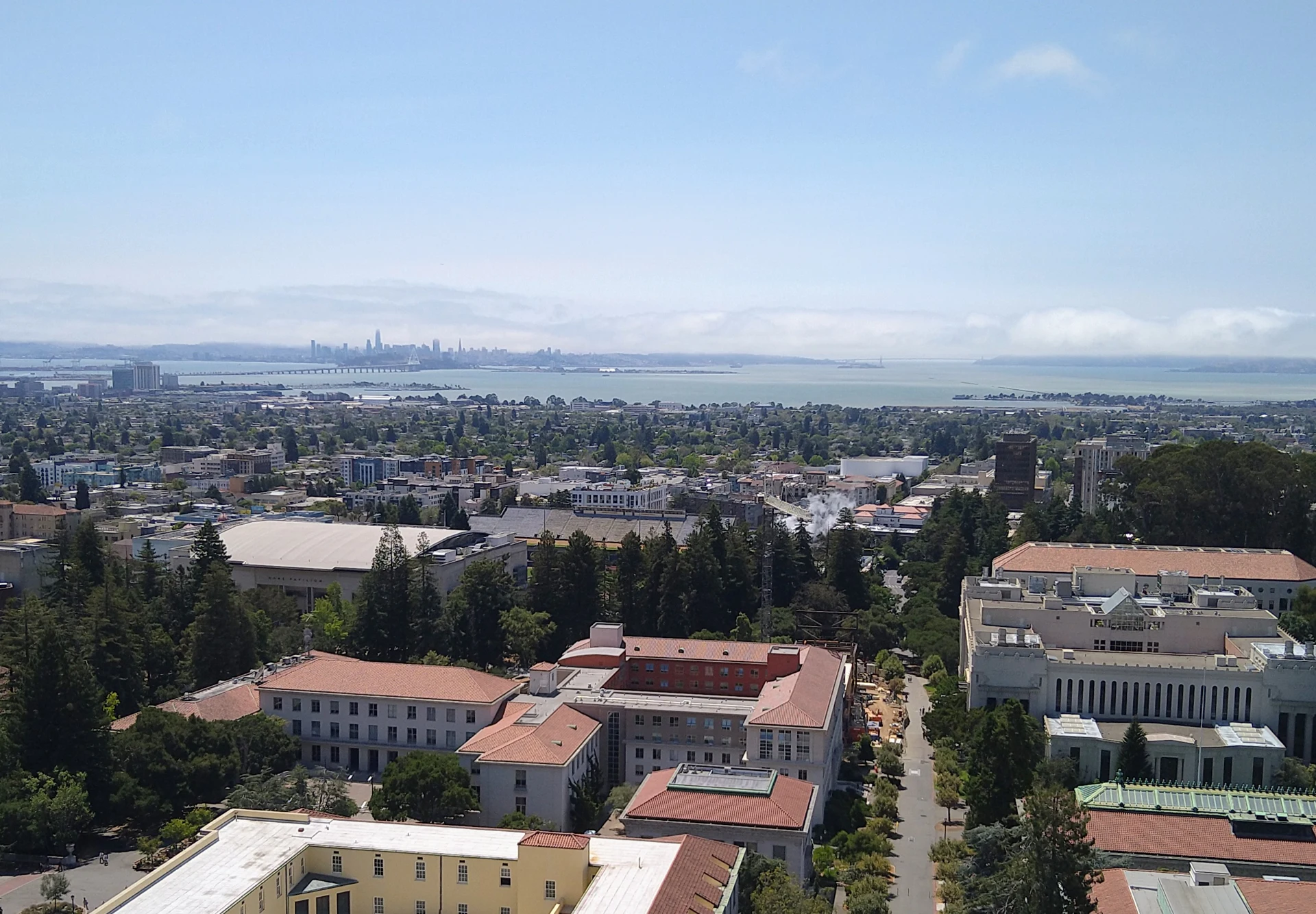
A hillside water route. A wet side yard. Moisture beneath an existing home. Plan the collection, piping and discharge around the conditions at your Berkeley property.


Berkeley properties do not all need the same drainage approach. Elevation changes, established landscaping and the space between buildings can affect both the water route and installation access. A system proposed for a sloped site may differ from one intended to collect water beside a driveway or beneath the home.
Drainage & Moisture Control Inc. provides French drain and moisture control services in Berkeley. Start by showing us where water appears, when it happens and where existing drains lead. That information helps frame the collection points, transport lines and discharge options to discuss.
A wet area is a starting point for assessment. Surface runoff, below-ground water and ground vapor can require different components. The proposed scope should explain which concern each component addresses.
Observe whether water reaches the area from a roof outlet, paved surface, slope or an underground source. The visible low point may not be the only collection point needed.
Where does the water come from?Share gate widths, pathways, existing paving and landscaping. On an established property, a practical route must account for access as well as the space available for drainage materials.
How can the work area be reached?Tell us about standing water, damp ground and any existing basin or vapor barrier. A crawlspace moisture concern may involve drainage, pumping and barrier coverage together.
What changes after rainfall?Collect below-ground water along a planned trench. Review pipe placement, drainage materials and the route to a suitable outlet.
Explore this service ↗Move collected water from a basin when the available route needs pumping. Discuss the basin, discharge piping and system access.
Explore this service ↗Coordinate buried collection components around the affected area and the way underground water needs to move.
Explore this service ↗Transport collected water between components and the intended destination. Solid lines carry water rather than collect it along their length.
Explore this service ↗Review where moisture enters a below-grade space and how drainage and waterproofing fit into the proposed scope.
Explore this service ↗Discuss ground vapor, barrier coverage and any standing water concerns before choosing the work beneath your home.
Explore this service ↗Elevation is one consideration; the details on the lot matter just as much. An uphill collection point, an existing drain and a low side yard can be connected parts of the same water problem.
For a Berkeley Hills property, describe the slope and where water crosses the site. For an established home closer to flatter areas, share the affected surfaces, building-side access and any current drainage outlets. These descriptions guide the conversation without assuming every neighborhood has the same soil or drainage conditions.
Discuss My Berkeley AddressFrench drain work combines collection materials, perforated piping and a route for collected water. Placement should respond to the site rather than simply follow the closest property edge.
Ask how the proposed collection area connects to transport piping, whether gravity discharge is workable and what access will be needed for the installation. If the design includes a pump, ask how the basin and discharge line fit into the overall plan.
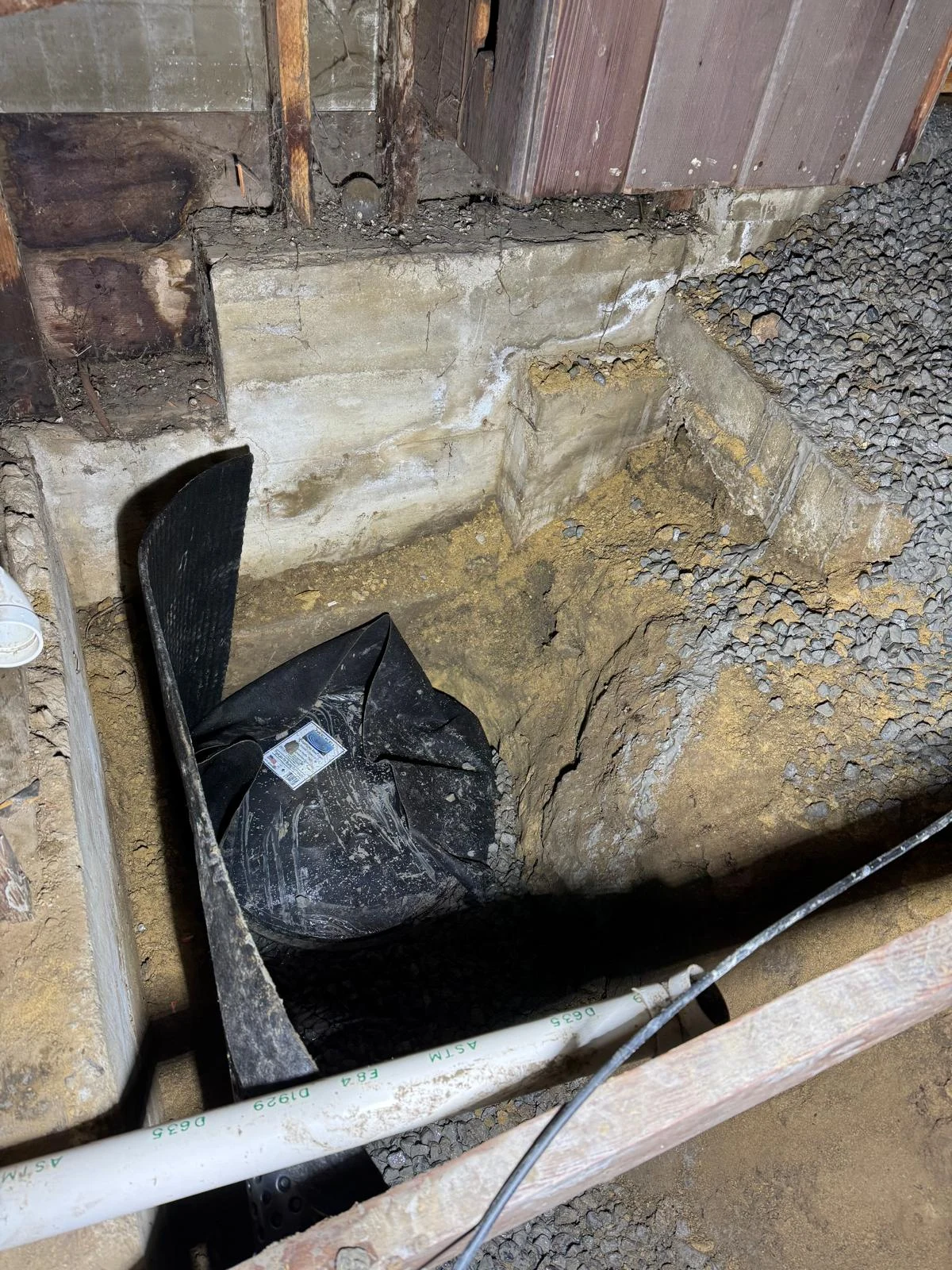
Explore our installation portfolio to see company drainage work. The photographs here show company installation details and are not presented as Berkeley-specific projects.
Explore Our Portfolio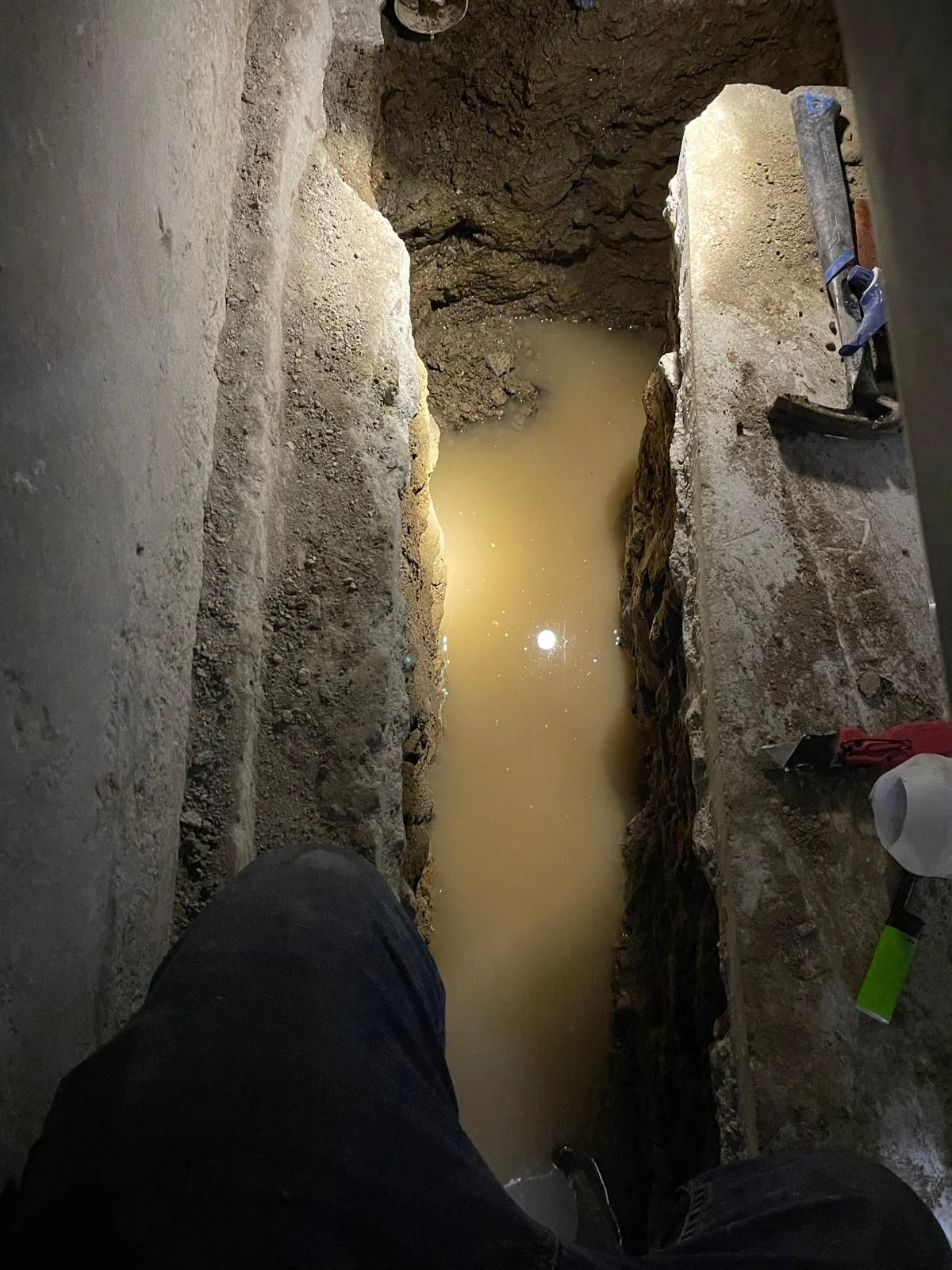
Show where water appears and what changes during rainfall.
Discuss collection points, existing drains and the discharge route.
Ask about access, materials and the work included in the estimate.
Confirm the next steps for your property and proposed scope.
Start with your site conditions and ask how the proposed components work together.
Request a Free EstimateYes. Berkeley is part of our established service coverage. Share your address and the affected areas to discuss the property’s needs, installation access and availability.
No single component solves every water problem. Surface runoff may need surface collection, while underground water may call for a French drain or other subsurface components. The source and outlet should guide the proposed system.
A sloped site needs a review of collection placement, the water route and discharge options. Share photos and the affected locations so the installation approach can be discussed for the actual site.
A sump basin and pump may be part of the proposed solution. Pumping still needs a planned discharge route; equipment selection and piping should be considered together.
Share the current drainage layout, previous repairs and access around the building. Existing landscaping, paving and below-grade spaces help define what should be reviewed before an installation is proposed.
A vapor barrier addresses ground moisture transmission. Standing water needs its own assessment and may require drainage or pumping in addition to barrier work.
Send your Berkeley address, photos, when the water appears and information about existing drains. Include access constraints and any previous repairs.
Call (415) 226-5888 or (650) 609-0030, or email drainagemoisturecontrol@gmail.com to discuss your property and request a free estimate.
Share the location, the water concern and what you have already tried.